




Why the AI Boom Is Actually Great News for HVAC Contractors
While headlines are flooded with stories about AI threatening white-collar jobs, a landmark new report from Anthropic — the company behind the Claude...
5 min read
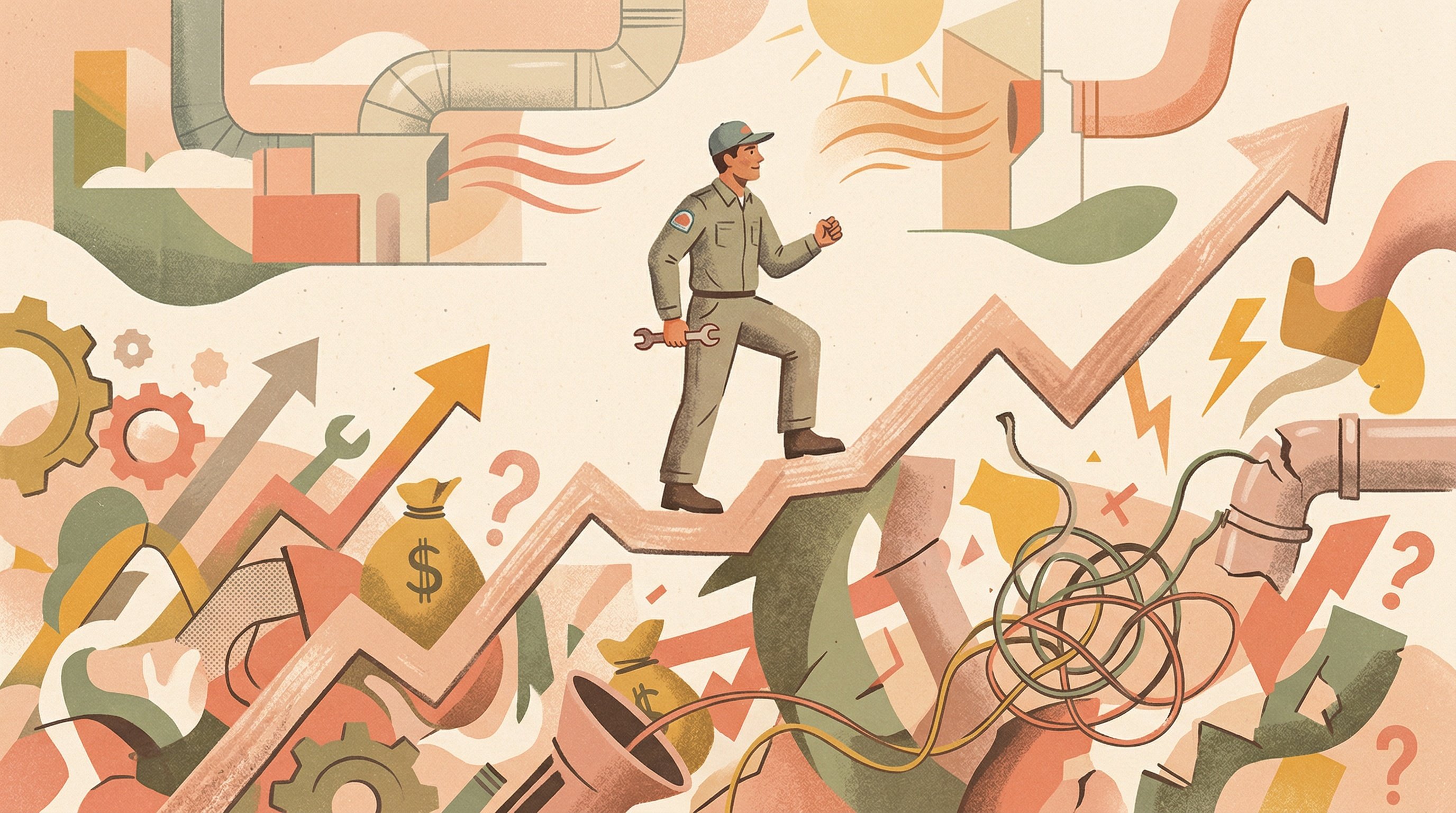
Before we talk strategy, it helps to understand what you're actually dealing with — because this isn't just one thing.
Tariffs are hitting the supply chain hard. A large share of HVACR products rely on components imported from Canada, China, or Mexico — which means the current tariff environment is touching nearly everything. Steel and aluminum imports have faced steep Section 232 tariffs for years — initially 25%, and recently increased on many products — which feeds directly into equipment and component costs. Imports from Canada and Mexico now face broad new tariffs, and many HVAC‑related goods from China remain at elevated rates. The result: contractors in many markets are reporting double‑digit price increases from their distributors, and equipment costs are often 15–30% higher than they were before this latest wave of increases.
Copper is a real problem. If you've been running boiler jobs or any refrigerant line work, you've felt this one personally. Copper piping costs have surged significantly — one contractor in our network noted costs up $2–3K per job compared to just a year ago. That's not a rounding error. That's margin.
Material costs are compounding. Even setting tariffs aside, industry data shows material costs for residential and commercial markets are expected to rise 4–5% in 2026 on top of existing increases — driven by shipping bottlenecks, labor shortages, and raw material demand. A system that cost $6,000–$8,000 installed in 2020 can realistically run $12,000–$15,000 today for comparable quality.
The refrigerant transition is adding to the tab. The shift to A2L refrigerants like R-454B is driving equipment costs up another 10–15% due to new safety sensors, sealed relays, and detection boards. And the tooling burden is real — A2L-compliant recovery machines, leak detectors, and adapters can run $2,000–$5,000 per truck.
The bottom line: costs are up across the board, and they're not likely to come back down anytime soon. These are structural changes, not a temporary spike.
Here's where it gets interesting for your business.
When equipment prices rise sharply, homeowners don't just shrug and buy a new system. They do what anyone does when a big purchase gets more expensive: they hesitate. They delay. They ask if there's another option.
Industry observers are already tracking this shift. When consumers feel price pressure, they tend to defer full replacements and opt for repairs to keep existing systems running longer — especially when a new system that used to feel like a manageable investment now carries a $12,000–$15,000 price tag.
For contractors focused purely on installation revenue, that's a headache. For contractors who have built strong service and maintenance businesses, it's actually a tailwind.
Think about it: every homeowner who decides to repair rather than replace is a homeowner who needs a trusted contractor in their corner. Someone to diagnose problems accurately, recommend the right repair, and help them understand when a band-aid is reasonable versus when they're throwing good money after bad. That's not a sales conversation — that's a trusted advisor conversation. And it's the kind of relationship that generates repeat business, referrals, and long-term loyalty.
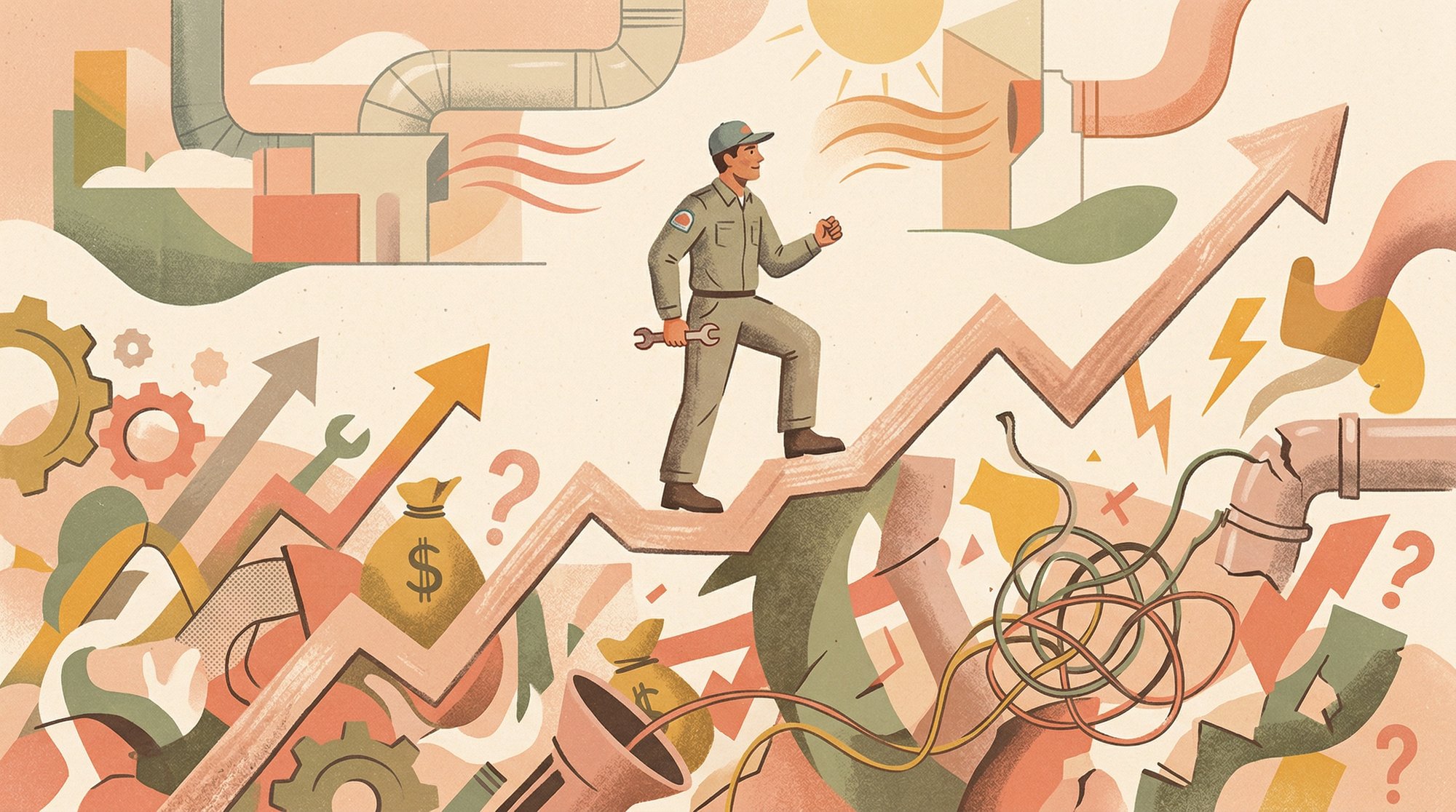
The contractors who are least exposed to equipment cost volatility are the ones who built their businesses around recurring revenue — not just installation volume.
Maintenance agreements are the clearest example. A customer on a maintenance agreement is a customer you're seeing at least once a year, building trust with, and staying connected to. When their system starts showing signs of wear — a failing capacitor, a refrigerant issue, an aging heat exchanger — you're the first call. Not because they Googled "HVAC near me" in a panic, but because you're already their contractor.
In a market where new system sticker shock is sending homeowners toward repairs, that relationship is worth more than it's ever been. You're not competing on price for a job that came in cold. You're the trusted advisor who already knows their system.
A few other strategies worth leaning into right now:
Reframe the repair-vs-replace conversation. When customers are hesitant to spend $13,000 on a new system, a well-presented $2,500 repair with clear documentation of what was fixed — and what to watch next — can actually build more trust than pushing for a replacement. Let the facts drive the recommendation, and let the customer make an informed choice. That approach pays dividends for years.
Get ahead of issues before they become emergencies. The homeowners most likely to make panicked, price-insensitive decisions are the ones who didn't see the problem coming. Proactive outreach — whether it's a seasonal check-in, a filter reminder, or a monitoring alert — keeps you in the loop and keeps customers from shopping around when something breaks.
Audit your pricing now, not later. Material costs are only moving in one direction. If your flat-rate pricing hasn't been updated recently to reflect copper, refrigerant, and equipment cost increases, you're absorbing those increases yourself. The best contractors in the industry are reviewing their pricing structures regularly — not just when margins start to hurt.
Protect your vendor relationships. In a supply-constrained environment, contractors with strong distributor relationships and payment discipline have a meaningful advantage. If you're getting consistent pricing surprises at the supply house, it may be worth a direct conversation about your account terms and volume commitments.
Let's zoom out for a second.
Yes, rising costs create real pressure. But they also create real barriers to entry. The contractors who can navigate this environment — who have tight pricing, strong maintenance agreement revenue, loyal customer relationships, and a trusted advisor reputation — are going to capture market share from the ones who can't.
The homeowners who are deferring replacements right now are also the homeowners who are most open to a maintenance agreement that gives them peace of mind. They just invested $2,500 in a repair. The last thing they want is to be surprised again in six months. An annual maintenance plan — especially one that includes proactive monitoring — isn't a hard sell in that moment. It's genuinely what they need.
That's exactly where tools like SmartAC's monitoring platform fit naturally into this conversation. When your maintenance agreement includes 24/7 system monitoring that surfaces issues before they become emergency calls, you're not just selling a service visit once a year. You're offering year-round protection — and that's a value proposition that resonates deeply with homeowners who just watched their equipment costs double.
A few practical moves worth making this month:
Review your flat-rate pricing to make sure it reflects current material costs — especially copper, refrigerant, and any imported components you're regularly pricing into jobs.
Set 90-day renewal reminders for your LSA licensing and insurance. Disruptions in your marketing channels on top of margin pressure is the last thing you need.
Audit your maintenance agreement base. If you're sitting on a large customer database but only have a few hundred active agreements, you have untapped recurring revenue within arm's reach.
Track your repair-vs-replace recommendations systematically. Good documentation protects you, builds trust with customers, and gives you data to inform pricing decisions over time.
The contractors who come out of 2026 in the strongest position will be the ones who used the cost pressure as a forcing function to build a better business — not just a reaction to a market condition.
The margin squeeze is real. The opportunity inside it is too.
SmartAC empowers HVAC service providers with smart monitoring, real-time analytics, and a seamless homeowner engagement experience designed to fuel long-term business growth. Book a demo or explore the platform to see what it can do for your business.
While headlines are flooded with stories about AI threatening white-collar jobs, a landmark new report from Anthropic — the company behind the Claude...

There's a conversation that keeps coming up among HVAC business owners, and it usually goes something like this: lead costs are up, competition is...
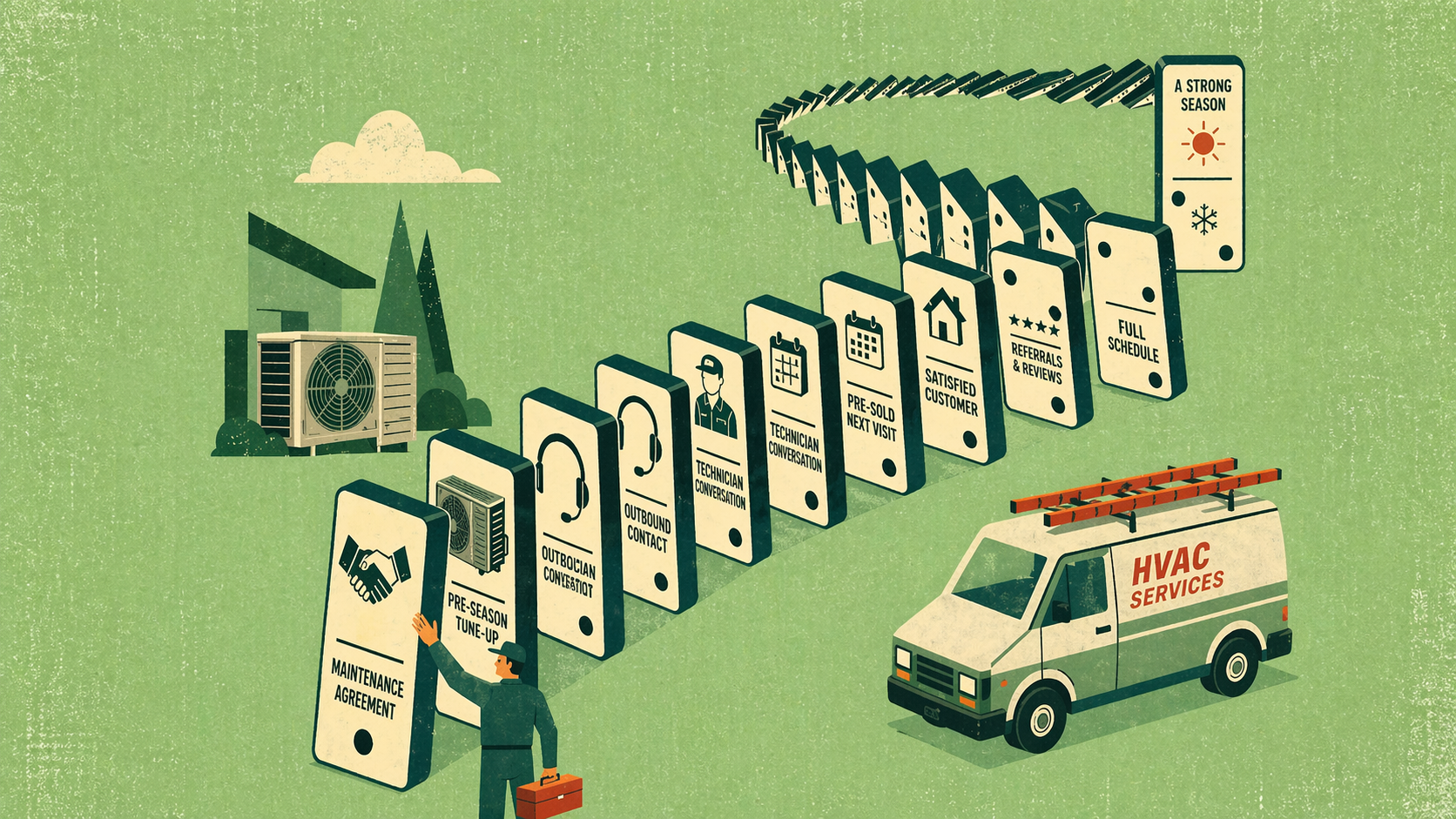
The board is about to get very full, very fast.